Black Seed Oil for Blood Pressure: Does It Really Work?
High blood pressure is one of the most common health concerns worldwide. Millions of people are looking for natural ways to support their heart health alongside conventional treatment.
Black seed oil for blood pressure has become one of the most talked-about natural remedies in recent years. But does it actually work, or is it just another wellness trend?
Let’s break it down — the science, the dosage, the benefits, and the precautions. All in plain language.
What Is Black Seed Oil?
Black seed oil comes from the seeds of Nigella sativa, a flowering plant native to Southwest Asia and the Mediterranean. It has been used in traditional medicine for over 2,000 years.
The ancient Egyptians called it the “seed of blessing.” Even the Prophet Muhammad (PBUH) reportedly said it was a remedy for everything except death.
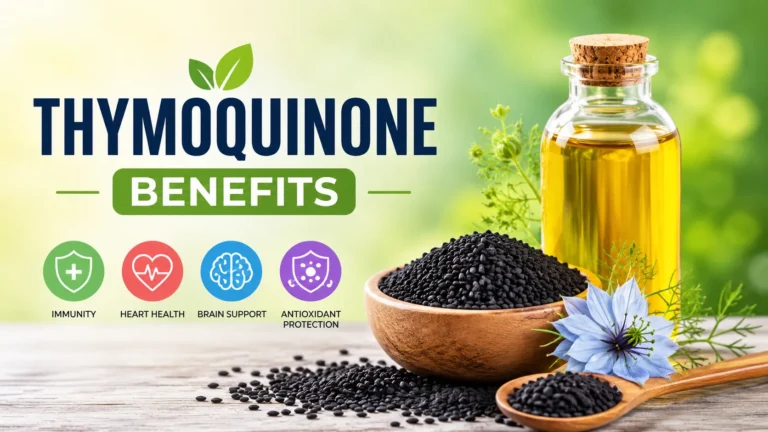
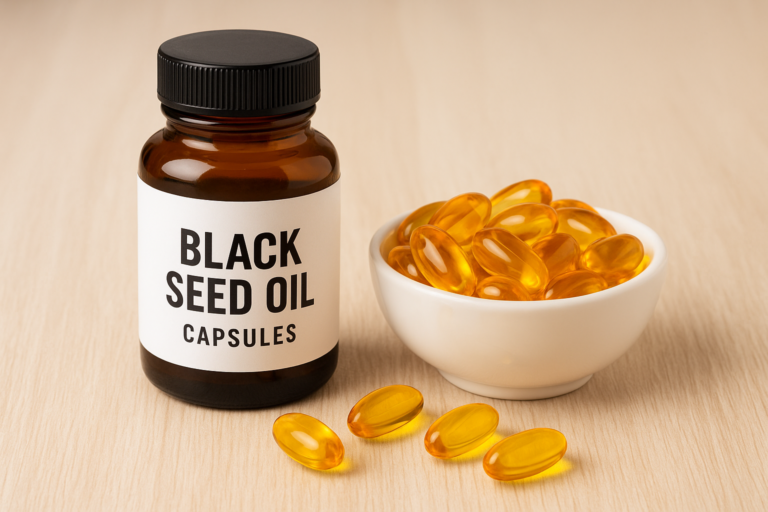
Today, it is sold as a supplement in capsule, liquid, and softgel forms. Its most active compound is thymoquinone (TQ), which is responsible for most of its medicinal effects.
Why Blood Pressure Matters
Before diving into black seed oil for blood pressure, it helps to understand what blood pressure actually is.
Blood pressure measures the force your blood exerts on artery walls. Two numbers define it:
| Reading | What It Means |
|---|---|
| Systolic (top number) | Pressure when the heart beats |
| Diastolic (bottom number) | Pressure when the heart rests |
A normal reading is around 120/80 mmHg. Anything consistently above 130/80 mmHg is considered hypertension.
Uncontrolled high blood pressure can lead to heart disease, stroke, kidney damage, and even vision loss. That is why managing it matters so much.
Black Seed Oil for Blood Pressure: What the Research Says
Here is the good news — several human clinical trials have looked at black seed oil for blood pressure, and the results are genuinely promising.
A 2016 study published in the Journal of Hypertension found that participants who took 2.5 mL of black seed oil twice daily for eight weeks saw measurable reductions in both systolic and diastolic blood pressure.
Another meta-analysis published in the Journal of Functional Foods reviewed multiple trials and concluded that Nigella sativa supplementation significantly reduced systolic blood pressure compared to a placebo group.
The results are not as dramatic as prescription medications, but they are real, consistent, and come with far fewer side effects.
| Study | Duration | Dosage | Outcome |
|---|---|---|---|
| Journal of Hypertension (2016) | 8 weeks | 5 mL/day | Reduction in systolic & diastolic BP |
| Journal of Functional Foods (Meta-analysis) | Varies | 1–3g/day | Significant systolic BP reduction |
| Phytotherapy Research (2013) | 8 weeks | 2g/day capsules | BP reduced in hypertensive patients |
| Complementary Medicine Research (2018) | 12 weeks | 3g/day | BP and cholesterol both improved |
How Does Black Seed Oil Help Lower Blood Pressure?
There are a few key mechanisms at work here.
1. Thymoquinone Acts as a Vasodilator
Thymoquinone, the main active compound, helps relax and widen blood vessels. When blood vessels dilate, blood flows more freely and pressure drops naturally.
Think of it like loosening a garden hose — more room for water means less pressure against the walls.
2. It Has Diuretic Properties
Black seed oil gently promotes urination, which helps the body flush out excess sodium. Sodium is a major driver of high blood pressure.
This effect is mild and safe for most people, unlike pharmaceutical diuretics which can strip the body of potassium.
3. It Reduces Inflammation
Chronic inflammation damages artery walls over time. Thymoquinone is a potent anti-inflammatory agent that helps protect arterial health and keep blood vessels flexible.
4. It Lowers Oxidative Stress
Free radicals damage the cardiovascular system. Black seed oil is rich in antioxidants that neutralize these harmful compounds, reducing stress on the heart and blood vessels.
5. It May Lower Cholesterol
High LDL cholesterol stiffens arteries and raises blood pressure. Multiple studies show black seed oil reduces LDL while preserving or increasing HDL (the good kind).
How to Use Black Seed Oil for Blood Pressure
Getting the dosage right is important. More is not always better.
Recommended Dosage
| Form | Typical Dosage | Frequency |
|---|---|---|
| Liquid oil | 1–2 teaspoons (5–10 mL) | Once or twice daily |
| Capsules | 500–1000 mg | Twice daily |
| Softgels | 1000 mg | Once or twice daily |
Most studies showing blood pressure benefits used 2–3 grams per day of black seed oil. That equals roughly one teaspoon of liquid oil twice a day.
When to Take It
Take it with meals to reduce the chance of stomach upset. Some people prefer the morning; others split the dose between morning and evening.
How Long Before You See Results?
Most studies ran for 8 to 12 weeks before noting significant changes. Do not expect overnight results. Consistency is key.
Tips for Getting the Most Out of Black Seed Oil
- Choose cold-pressed, organic oil for maximum potency
- Store it in a cool, dark place to prevent oxidation
- Avoid heating it directly — add it to food after cooking
- Stay consistent — daily use over weeks is what produces results
- Combine it with a healthy diet low in processed foods and sodium
Black Seed Oil and Other Health Benefits
Black seed oil does not just help with blood pressure. It supports the whole body in ways that matter.
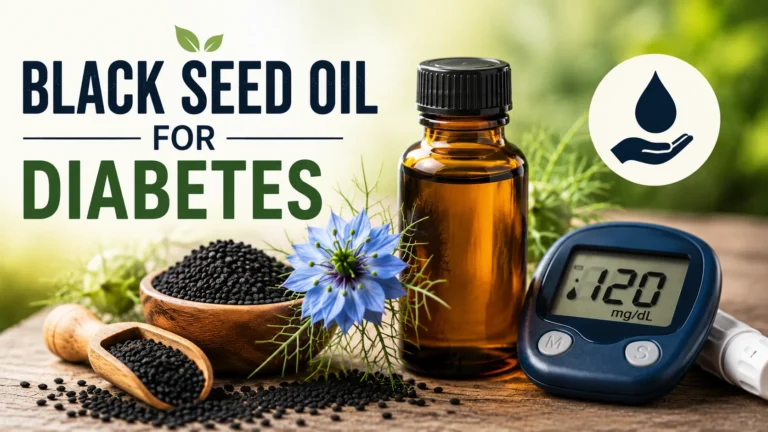
For example, if you are managing blood sugar alongside blood pressure, you may want to read about black seed oil for diabetes and how it supports insulin sensitivity and glucose control.
Blood pressure is also often tied to body weight. Carrying extra weight puts added strain on the heart. If that is a concern, there is solid research covered in this guide to black seed oil for weight loss and how it may support metabolism and fat reduction.
Who Should Be Careful?
Black seed oil is safe for most people when taken in moderate amounts. However, some groups should exercise caution.
Do Not Use Without Medical Advice If You:
- Are already on blood pressure medication (it may lower BP too much)
- Are pregnant (may stimulate uterine contractions)
- Have a bleeding disorder (thymoquinone may slow clotting)
- Are scheduled for surgery within two weeks
- Have very low blood pressure (hypotension)
Always tell your doctor you are taking black seed oil, especially if you are on antihypertensive drugs.
Black Seed Oil vs. Prescription Blood Pressure Medication
| Factor | Black Seed Oil | Prescription Medication |
|---|---|---|
| Effectiveness | Mild to moderate BP reduction | Strong, well-established |
| Side effects | Minimal (mild digestive upset) | Can be significant |
| Drug interactions | Some possible | More extensive |
| Cost | Affordable | Varies (insurance-dependent) |
| Onset | 8–12 weeks | Days to weeks |
| Long-term safety data | Growing | Well-established |
Black seed oil is not a replacement for prescribed medication. It works best as a complementary approach. Talk to your doctor before making any changes to your treatment plan.
Special Consideration for Women
Women often face unique cardiovascular challenges — especially around menopause when blood pressure tends to rise. Black seed oil may offer specific advantages for female heart health. If you are a woman looking for broader wellness support, check out this detailed overview of black seed oil benefits for women and how it supports hormonal balance alongside cardiovascular health.
Lifestyle Changes That Work Well With Black Seed Oil
For the best results with black seed oil for blood pressure, pair it with these proven lifestyle strategies:
- Reduce sodium intake — aim for under 2,300 mg per day
- Exercise regularly — even 30 minutes of walking daily helps
- Manage stress — meditation, deep breathing, and good sleep all lower BP
- Limit alcohol — excessive drinking raises blood pressure significantly
- Quit smoking — smoking hardens arteries and spikes BP
- Eat more potassium-rich foods — bananas, sweet potatoes, spinach
Black seed oil supports these changes but cannot replace them.
Frequently Asked Questions
Q1. How much black seed oil should I take daily for blood pressure?
Most research supports a dose of 2–3 grams (about one teaspoon) per day. Split into two doses with meals for best absorption and tolerance.
Q2. How long does it take for black seed oil to lower blood pressure?
Studies show consistent results after 8 to 12 weeks of daily use. You may notice small changes earlier, but give it at least two months before judging effectiveness.
Q3. Can I take black seed oil with my blood pressure medication?
Possibly, but only under medical supervision. Combining the two could lower your blood pressure too much. Always consult your doctor first.
Q4. Is black seed oil better as a liquid or capsule for blood pressure?
Both work. Liquid oil may absorb slightly faster, but capsules are easier to dose accurately and more convenient for daily use. Choose whichever you will actually take consistently.
Q5. Are there any side effects of black seed oil for blood pressure?
Most people tolerate it well. Some experience mild stomach upset, nausea, or a burning sensation when taking it on an empty stomach. Starting with a smaller dose and building up gradually usually helps.
Q6. Can black seed oil cure hypertension permanently?
No. It can help manage and reduce blood pressure naturally, but it is not a cure. High blood pressure often requires long-term lifestyle management and, in many cases, medication.
Q7. Is black seed oil safe to take every day?
Yes, for most healthy adults. Daily use at recommended doses is considered safe for up to three months based on available research. Long-term safety beyond that is still being studied.
Conclusion
Black seed oil for blood pressure is not magic — but it is real medicine backed by genuine science. Thymoquinone, its most active compound, works through multiple pathways to relax blood vessels, reduce inflammation, support healthy cholesterol, and promote better cardiovascular function.
Clinical trials show modest but meaningful reductions in both systolic and diastolic blood pressure, particularly with consistent use over 8–12 weeks.
It is safe for most people, affordable, and easy to add to a daily routine. But it works best as part of a bigger picture — one that includes a clean diet, regular movement, stress management, and open communication with your doctor.
If you are serious about supporting your heart health naturally, black seed oil is absolutely worth trying. Start with a quality, cold-pressed oil, give it time, and track your readings.
Your heart does a lot for you. Take care of it.