Nigella Sativa Benefits: Uses, Dosage & Side Effects
Nigella sativa has been around for thousands of years. Ancient Egyptians used it. Islamic medicine called it a cure for everything except death. Modern science is now catching up — and what researchers are finding is genuinely impressive.
If you’ve never explored nigella sativa benefits before, you’re in for a surprise. This tiny black seed packs a punch that most superfoods simply can’t match.
Let’s break it all down.
What Is Nigella Sativa?
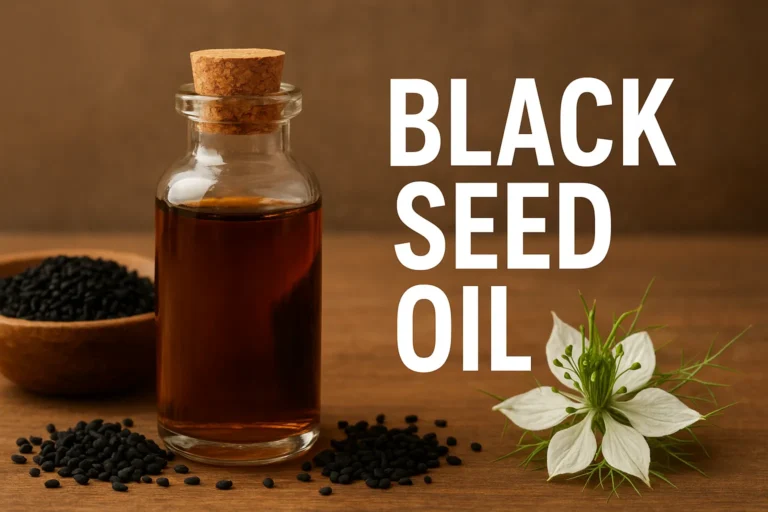
Nigella sativa is a flowering plant native to Southwest Asia and the Mediterranean. Its seeds — commonly called black seed, black cumin, or kalonji — have been used in traditional medicine for over 2,000 years.
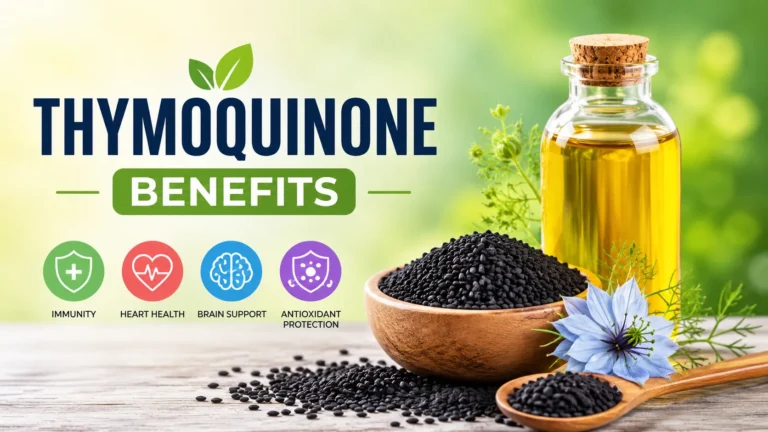
The seeds contain a compound called thymoquinone (TQ). This is the star ingredient behind most of the health benefits this plant offers. It acts as an antioxidant, anti-inflammatory, and antimicrobial agent all at once.
You can use the seeds as:
- Whole seeds (sprinkled on food)
- Ground powder (in smoothies or capsules)
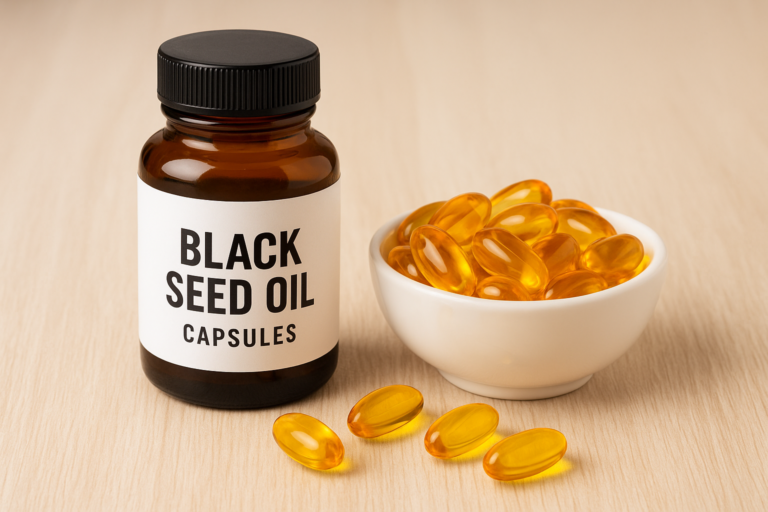
- Cold-pressed oil (taken by spoon or capsule)
Nutritional Profile of Nigella Sativa
Before diving into the benefits, here’s what’s actually inside these seeds:
| Nutrient / Compound | Role in the Body |
|---|---|
| Thymoquinone (TQ) | Antioxidant, anti-inflammatory, anticancer activity |
| Omega-3 & Omega-6 Fatty Acids | Heart health, brain function |
| Protein | Muscle repair and enzyme production |
| Fiber | Digestive health, blood sugar regulation |
| Iron | Oxygen transport, energy levels |
| Calcium | Bone strength |
| Vitamins B1, B2, B3 | Energy metabolism, nerve function |
| Zinc | Immune support, hormone balance |
This combination makes nigella sativa one of the most nutrient-dense seeds you can add to your diet.
Top Nigella Sativa Benefits You Should Know
1. Powerful Anti-Inflammatory Properties
Chronic inflammation is behind nearly every major disease — from heart disease to diabetes to arthritis.
Thymoquinone blocks inflammatory pathways in the body. Studies show it inhibits pro-inflammatory enzymes like COX-1 and COX-2 — the same enzymes that common painkillers target.
The difference? Black seed does it without the side effects.
People with conditions like rheumatoid arthritis and inflammatory bowel disease have reported noticeable relief after regular use. This makes it one of the most valued nigella sativa benefits for people dealing with chronic pain.
2. Boosts Immune System Function
One of the most recognized nigella sativa benefits is its immune-boosting ability.
It stimulates the production of natural killer (NK) cells and T-cells — your body’s first line of defense against viruses and bacteria.
During cold and flu season, adding these seeds to your routine could make a real difference. Some studies even suggest it may help people with autoimmune conditions by helping regulate — not just stimulate — immune responses.
3. Supports Blood Sugar Management
Nigella sativa has shown promising results in people with type 2 diabetes.
In multiple clinical trials, participants who took supplements experienced:
- Lower fasting blood glucose levels
- Improved insulin sensitivity
- Reduced HbA1c (long-term blood sugar marker)
The seeds appear to increase insulin secretion from the pancreas while also reducing glucose absorption in the gut.
If blood sugar management is something you’re working on, it’s worth reading more about black seed oil for diabetes to understand exactly how this works.
4. Promotes Heart Health
Your heart will thank you for adding nigella sativa to your diet.
Research shows it helps in several key areas:
| Heart Health Benefit | What the Research Shows |
|---|---|
| Lowers LDL cholesterol | Reduces “bad” cholesterol levels |
| Raises HDL cholesterol | Increases “good” cholesterol |
| Reduces blood pressure | Mild but consistent hypotensive effect |
| Prevents plaque buildup | Antioxidants protect arterial walls |
The combination of omega fatty acids and thymoquinone works together to protect your cardiovascular system from multiple angles.
5. Aids in Weight Management
Struggling to lose weight? The metabolic benefits of nigella sativa are real and well-studied.
Research suggests it helps by:
- Reducing appetite through leptin regulation
- Increasing metabolic rate
- Reducing fat cell formation
- Lowering blood triglycerides
It’s not a magic pill. But when combined with a healthy diet and exercise, it can give your weight loss efforts a meaningful boost. For a deeper dive, check out this detailed guide on black seed oil for weight loss and how to use it effectively.
6. Supports Respiratory Health
These seeds have been used to treat respiratory issues for centuries — and science backs this up.
Thymoquinone works as a natural bronchodilator, relaxing the muscles around the airways. This makes nigella sativa particularly helpful for:
- Asthma
- Allergic rhinitis
- Bronchitis
- Nasal congestion
One study found that the seed extract was more effective than a placebo in reducing asthma symptoms over an 8-week period. That’s a remarkable result for a natural remedy.
7. Improves Brain Function and Mental Health
The brain benefits of nigella sativa are gaining serious scientific attention.
Thymoquinone protects neurons from oxidative stress — one of the leading causes of cognitive decline. Regular use has been linked to:
- Better memory and focus
- Reduced symptoms of anxiety and depression
- Protection against neurodegenerative diseases
- Improved mood through serotonin regulation
Given the rise in mental health challenges worldwide, these particular benefits deserve far more attention than they currently get.
8. Has Antimicrobial and Antifungal Effects
Nigella sativa can fight bacteria, viruses, and fungi.
Studies have found it effective against some antibiotic-resistant bacteria, including MRSA. This is significant in a world where antibiotic resistance is becoming a major health crisis.
It also inhibits the growth of common fungal infections like Candida albicans, making it useful for gut health and skin conditions caused by microbial overgrowth.
9. Promotes Skin and Hair Health
Many people apply the oil of nigella sativa topically for skin and hair benefits.
For skin, it helps with:
- Eczema and psoriasis (anti-inflammatory action)
- Acne (antimicrobial properties)
- Wound healing (antioxidant effect)
- Hyperpigmentation
For hair, regular scalp application can reduce hair loss, moisturize the scalp, and help with dandruff caused by fungal overgrowth.
10. May Have Anticancer Properties
This is one of the most researched — and exciting — areas of nigella sativa study.
Laboratory and animal studies show thymoquinone can:
- Trigger cancer cell death (apoptosis)
- Inhibit tumor growth
- Reduce cancer cell migration
- Enhance the effectiveness of certain chemotherapy drugs
Human trials are still in early stages, but the findings so far are genuinely promising. Researchers are particularly interested in its effects on breast, lung, colon, and prostate cancers.
It’s important to note: this is not a cancer cure. But it may become an important supporting therapy in the future.
How to Use Nigella Sativa
Here’s a quick reference guide:
| Form | Suggested Use | Best For |
|---|---|---|
| Whole seeds | Add to bread, salads, or rice | Digestion, general nutrition |
| Powder | Mix in smoothies or yogurt | Easy daily supplementation |
| Oil (oral) | 1 tsp daily, before meals | Blood sugar, immunity, inflammation |
| Oil (topical) | Apply directly to skin/scalp | Skin conditions, hair health |
| Capsules | 500–1000mg daily | Convenience, consistent dosing |
If you’re new to this, starting with the oil is often easiest. To learn more about the different types and how to choose the right product, this overview of black seed oil is a great starting point.
Are There Any Side Effects?
Nigella sativa is generally safe for most adults when used in normal food or supplement amounts.
However, keep these points in mind:
- Pregnancy: Avoid large amounts — it may stimulate uterine contractions
- Blood thinners: Thymoquinone has mild blood-thinning effects; consult your doctor
- Low blood sugar: May further lower glucose; monitor carefully if diabetic
- Topical use: Patch test first to check for skin sensitivity
- Drug interactions: Always check with a healthcare professional if you’re on medication
Start with small amounts and increase gradually. Less is more when you’re just beginning.
Nigella Sativa Benefits vs. Other Popular Supplements
Here’s how it compares to some commonly used natural supplements:
| Supplement | Immune Support | Anti-Inflammatory | Blood Sugar Help | Antimicrobial |
|---|---|---|---|---|
| Nigella Sativa | ✅ Strong | ✅ Strong | ✅ Strong | ✅ Strong |
| Turmeric | ❌ Moderate | ✅ Strong | ⚠️ Mild | ⚠️ Mild |
| Ginger | ⚠️ Mild | ✅ Strong | ⚠️ Mild | ⚠️ Mild |
| Garlic | ✅ Strong | ⚠️ Moderate | ⚠️ Mild | ✅ Strong |
| Echinacea | ✅ Strong | ❌ Moderate | ❌ Weak | ⚠️ Mild |
As you can see, very few natural supplements can compete with the broad-spectrum action of nigella sativa across all these health categories.
Conclusion
The nigella sativa benefits are real, wide-ranging, and backed by a growing body of scientific research.
From fighting inflammation and supporting heart health, to improving brain function and helping manage blood sugar — this ancient seed offers something for nearly everyone.
It’s not a miracle cure. No single food is. But nigella sativa stands out because of how many different body systems it supports at the same time. And for something that’s been used safely for over 2,000 years, that track record speaks for itself.
If you haven’t already, consider adding it to your daily routine. Start simple, stay consistent, and let the results speak for themselves.
Frequently Asked Questions
Q1: What are the main nigella sativa benefits for health?
Nigella sativa offers benefits for immunity, inflammation, blood sugar, heart health, brain function, skin, and even potential cancer protection — primarily through its active compound, thymoquinone.
Q2: How much nigella sativa should I take daily?
Most studies use between 1–3 grams of seeds or 0.5–1 teaspoon of oil per day. For capsules, 500–1000mg is a common starting dose. Always consult a healthcare provider for personalized guidance.
Q3: Is nigella sativa the same as black seed?
Yes. Nigella sativa, black seed, black cumin, and kalonji all refer to the same plant. The oil extracted from it is commonly called black seed oil.
Q4: How long does it take to see results?
Most people notice changes within 4–8 weeks of consistent daily use. For chronic conditions like blood sugar or inflammation, it may take a bit longer. Consistency is key.
Q5: Can I use nigella sativa if I’m on medication?
Possibly, but with caution. It can interact with blood thinners, diabetes medications, and blood pressure drugs. Always speak with your doctor before starting any new supplement.
Q6: Is nigella sativa safe for children?
In small food amounts (like seeds sprinkled on bread), it’s generally considered safe. Supplemental doses for children should only be given under medical supervision.
Q7: What does nigella sativa taste like?
The seeds have a slightly bitter, peppery flavor with hints of onion and oregano. The oil has a more intense, earthy taste. Many people mix it with honey to make it more palatable.
Q8: Can nigella sativa help with allergies?
Yes. Several studies show that it reduces allergic rhinitis symptoms, including sneezing, nasal congestion, and itchy eyes — thanks to its natural antihistamine and anti-inflammatory properties.