Black Seed Oil: Benefits, Uses & Side Effects
Black seed oil has become one of the most talked-about natural remedies in recent years. Extracted from the seeds of Nigella sativa, this ancient oil has been used for centuries across the Middle East, South Asia, and Africa. Today, it’s gaining global attention for its potential to support immunity, digestion, skin health, weight management, and more.
This detailed guide will walk you through everything you must know about black seed oil. From its history to its proven benefits, dosage, side effects, and FAQs — you’ll find a complete breakdown of how this powerful oil can fit into your daily wellness routine.
What Is Black Seed Oil?
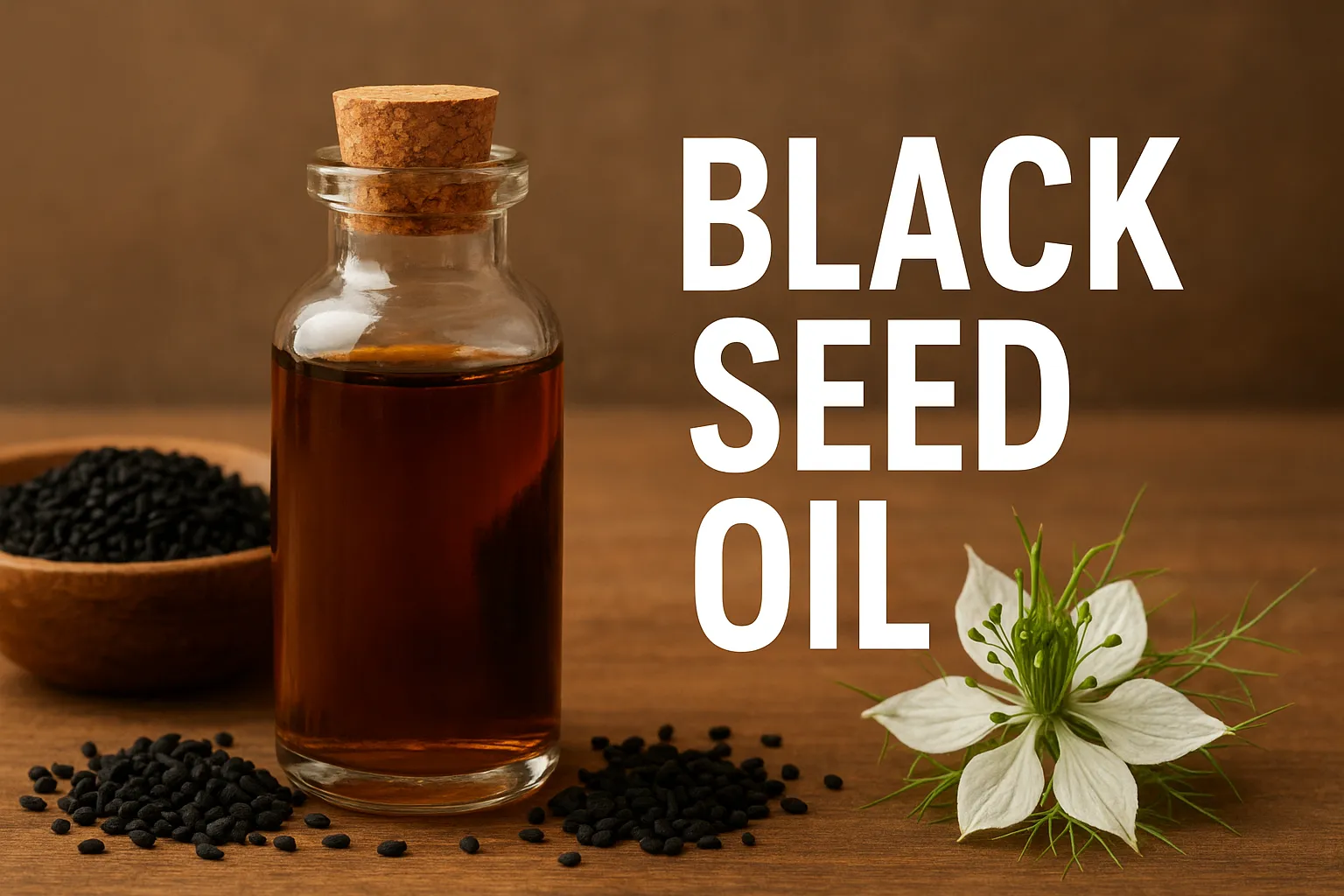
Black seed oil comes from the tiny black seeds of the Nigella sativa plant. These seeds are often called:
- Kalonji
- Black cumin
- Nigella
- Habbat al-barakah (Seed of Blessing)
The oil is packed with antioxidant, anti-inflammatory, antimicrobial, and immunomodulatory properties. The star compound in black seed oil is thymoquinone, which researchers believe is responsible for most of its health benefits.
A Brief History of Black Seed Oil
Black seed oil has been used as a natural remedy for more than 2,000 years. Ancient civilizations, including Egyptians and Greeks, used it for digestive issues, respiratory health, and to improve overall vitality.
Even today, black seed oil remains a popular household remedy in many cultures because of its versatile benefits.
Black Seed Oil Benefits
Because black seed oil contains powerful bioactive compounds, it supports multiple body systems. Below are the most popular and well-studied benefits.
1. Supports Strong Immunity
One of the most recognized benefits of black seed oil is its ability to support the immune system. The thymoquinone in the oil boosts antioxidant levels, making the body more resilient. Many people take black seed oil daily to help their body respond better to seasonal changes and infections.
2. Helps Reduce Inflammation
Chronic inflammation contributes to several health concerns, including joint pain, digestive issues, and low energy. Black seed oil has natural anti-inflammatory properties that may help reduce swelling and discomfort. Therefore, many individuals use it to support joint health, recovery, and overall mobility.
3. Supports Healthy Digestion
Black seed oil is often used for digestive comfort. It may help:
- Reduce bloating
- Improve gut movement
- Aid nutrient absorption
- Support healthy stomach function
Because of its antimicrobial properties, it may also help maintain a balanced gut environment.
4. Promotes Weight Management
Many people use black seed oil during weight-loss journeys. It may help by:
- Supporting metabolism
- Balancing appetite
- Reducing inflammation
- Improving digestion
While it’s not a magic weight-loss supplement, it can support a healthy lifestyle when paired with diet and exercise.
5. Improves Skin Health
Black seed oil is a common ingredient in skincare. It supports glowing and youthful skin because it contains:
- Healthy fatty acids
- Antioxidants
- Hydrating properties
It may help with acne, dark spots, fine lines, and dry patches. Many people mix it with carrier oils to apply directly to the skin.
6. Supports Healthy Hair Growth
When massaged into the scalp, black seed oil may help strengthen hair follicles. It can reduce hair thinning, breakage, and dryness. Additionally, its antimicrobial effects help maintain a clean and balanced scalp.
7. May Support Heart Health
Because black seed oil helps reduce cholesterol levels, inflammation, and blood pressure, it may support overall cardiovascular health. Consistent use, alongside a healthy diet, can contribute to a balanced heart function.
8. Helps Manage Blood Sugar Levels
Many people also take black seed oil for metabolic support. It may help the body use glucose more efficiently and keep blood sugar levels stable. This benefit is especially helpful when combined with an active lifestyle.
9. Helps Improve Respiratory Comfort
Black seed oil is traditionally used for cough, asthma, and breathing issues. Although results vary, its anti-inflammatory and soothing properties may help support respiratory function.
Nutritional Profile of Black Seed Oil
Black seed oil is rich in:
- Omega-6 and omega-9 fatty acids
- Thymoquinone
- Essential amino acids
- Antioxidants
- Vitamins and trace minerals
This powerful nutrient combination makes it effective for multiple aspects of wellness.
How to Use Black Seed Oil
Using black seed oil is simple, but it’s important to start slowly, especially if you’ve never taken it before.
1. Oral Consumption
You can take black seed oil:
- Directly by spoon
- Mixed in warm water
- Added to smoothies
- Combined with honey
Recommended Daily Dosage
- Adults: 1 teaspoon to 1 tablespoon per day
- Beginners: Start with ½ teaspoon
- Children: Use only under professional guidance
2. Topical Application
When used for skin or hair:
- Mix with coconut, olive, or jojoba oil
- Apply to scalp or skin gently
- Leave for 20–30 minutes before rinsing
Black Seed Oil vs Black Seeds
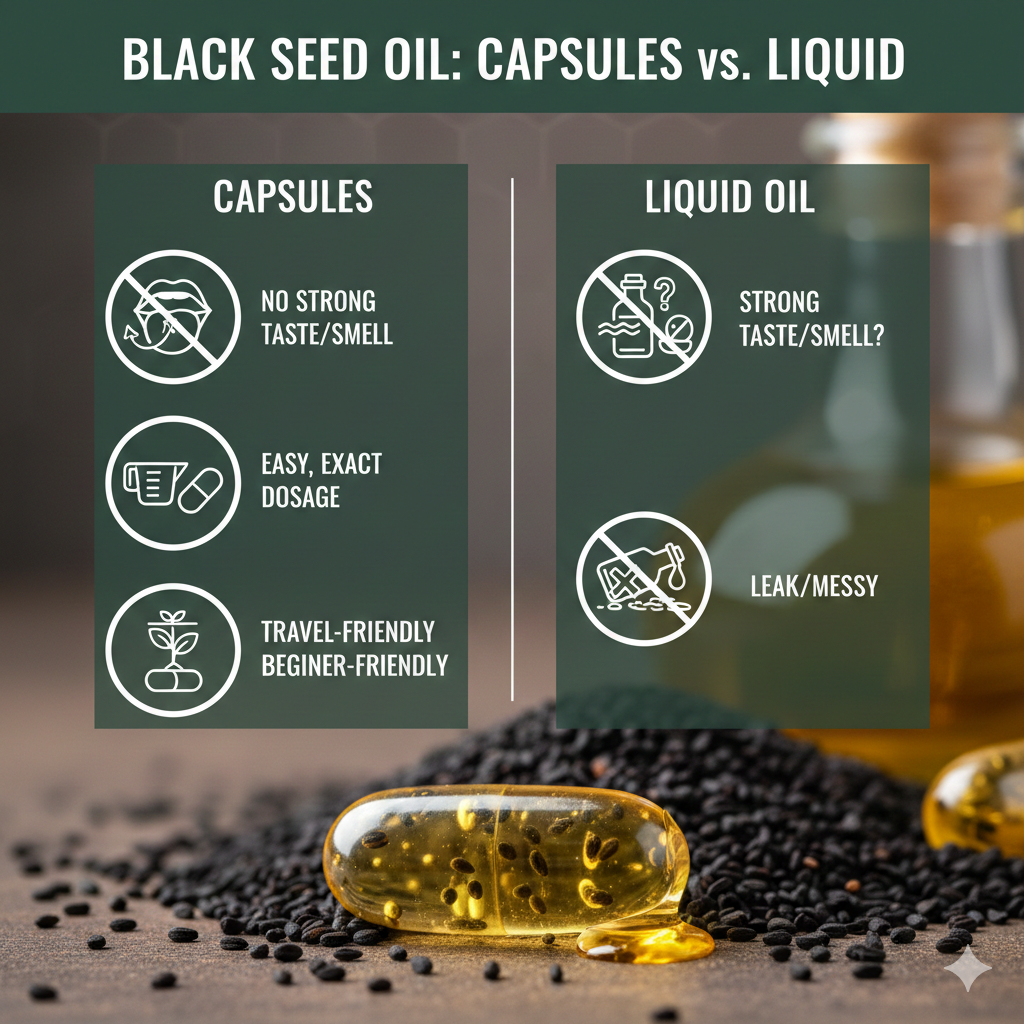
| Feature | Black Seed Oil | Black Seeds |
|---|---|---|
| Form | Liquid extract | Whole seeds |
| Strength | More concentrated | Less concentrated |
| Best For | Immunity, digestion, skin, hair | Cooking, mild health support |
| Usage | Oral, topical | Oral (food), mild topical |
| Taste | Strong and bitter | Mild and earthy |
Side Effects of Black Seed Oil
Although generally safe, black seed oil may cause:
- Mild stomach discomfort
- Allergic reactions (rare)
- Skin irritation if applied without dilution
- Interaction with certain medications
Pregnant and breastfeeding women should consult a healthcare provider before use.
Who Should Avoid Black Seed Oil?
Black seed oil may not be suitable for:
- People with low blood pressure
- People taking blood-thinning medications
- Individuals with upcoming surgery
Consulting a healthcare professional is always recommended.
How to Choose High-Quality Black Seed Oil
When buying black seed oil, look for:
- Cold-pressed extraction
- 100% pure formulation
- Dark glass bottles
- Organic sourcing
- No additives or fillers
High-quality oil ensures better potency and results.
Black Seed Oil Dosage Tips
- Start small and increase gradually
- Take it on an empty stomach for better absorption
- Avoid heating it
- Keep it refrigerated for freshness
Frequently Asked Questions (FAQs)
1. What is black seed oil good for?
Black seed oil is good for boosting immunity, improving digestion, supporting heart health, enhancing skin and hair, and helping reduce inflammation.
2. Can I take black seed oil daily?
Yes, you can take black seed oil daily in small amounts. Most people safely consume 1 teaspoon to 1 tablespoon per day.
3. Can black seed oil help with weight loss?
Black seed oil may support weight loss by boosting metabolism, reducing inflammation, and helping control appetite.
4. Is black seed oil safe for skin?
Yes, black seed oil is safe for the skin when mixed with a carrier oil. It may help with acne, dryness, and dark spots.
Conclusion
Black seed oil is one of the most versatile natural remedies available today. From supporting immunity to improving digestion, skin health, and weight management — its benefits cover a wide range of wellness needs. Because it contains powerful compounds such as thymoquinone, it offers strong antioxidant and anti-inflammatory support.
When used consistently and correctly, black seed oil can become a valuable addition to your daily routine. Whether you consume it or apply it topically, this ancient oil continues to prove why it has been trusted for centuries.
If you’re looking for a simple and natural way to boost your health, black seed oil is definitely worth trying.