Rapeseed Oil: Benefits, Uses, and Nutritional Value
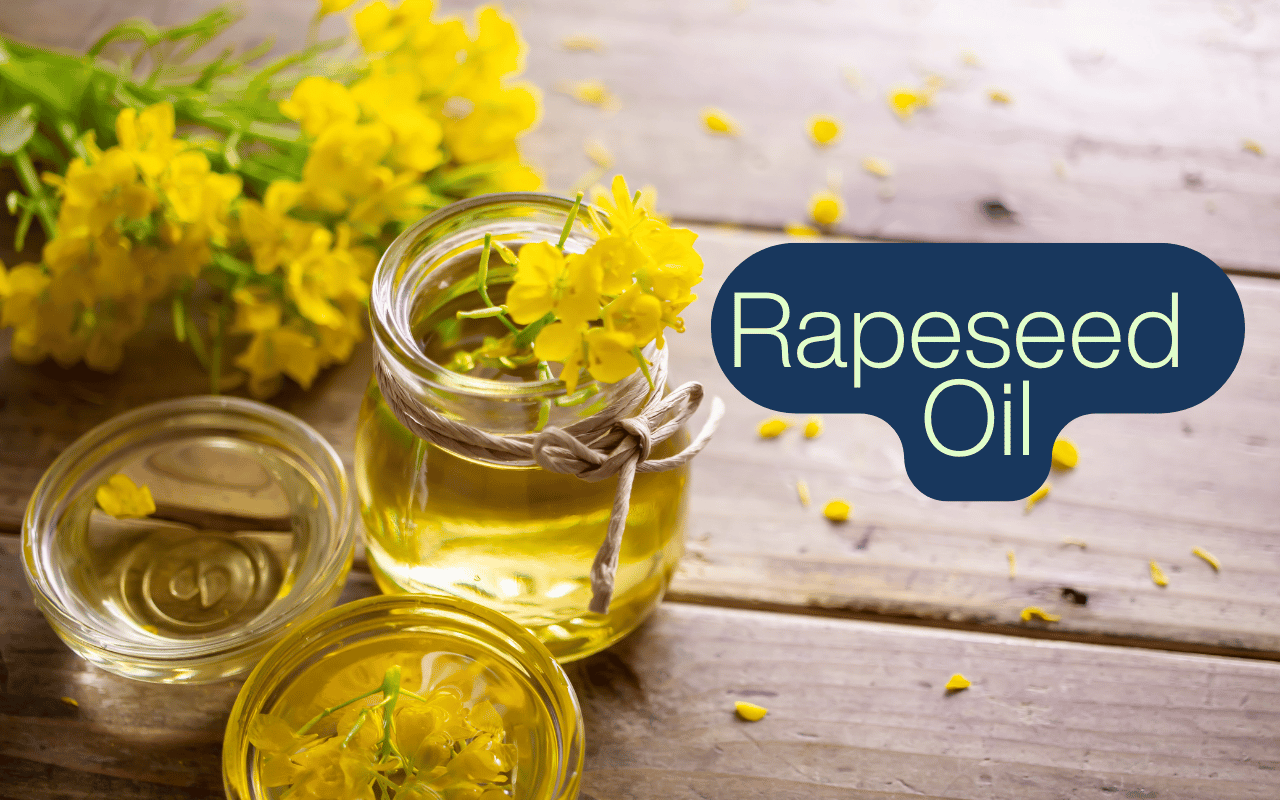
Rapeseed oil is one of the most versatile vegetable oils used worldwide. Extracted from the seeds of the rapeseed plant (Brassica napus), this oil is renowned for its light flavor, high smoke point, and impressive nutritional profile. Similar to oils like black seed oil, olive oil, and sunflower oil, rapeseed oil has become a staple in both cooking and industrial applications. In this guide, we will explore its benefits, uses, nutritional value, and safety, providing everything you need to know about rapeseed oil.
What is Rapeseed Oil?
Rapeseed oil is a vegetable oil obtained from the seeds of the rapeseed plant. Its production involves pressing the seeds, and sometimes fennel seeds are added for flavor, and often refining the oil to make it suitable for cooking. Modern rapeseed oil, especially the edible variety known as canola oil, contains low levels of erucic acid, making it safe for human consumption.
It is rich in unsaturated fats, particularly omega-3 and omega-6 fatty acids, which are essential for heart and brain health. The oil also contains vitamin E and K, antioxidants, and other beneficial compounds.
Nutritional Profile of Rapeseed Oil
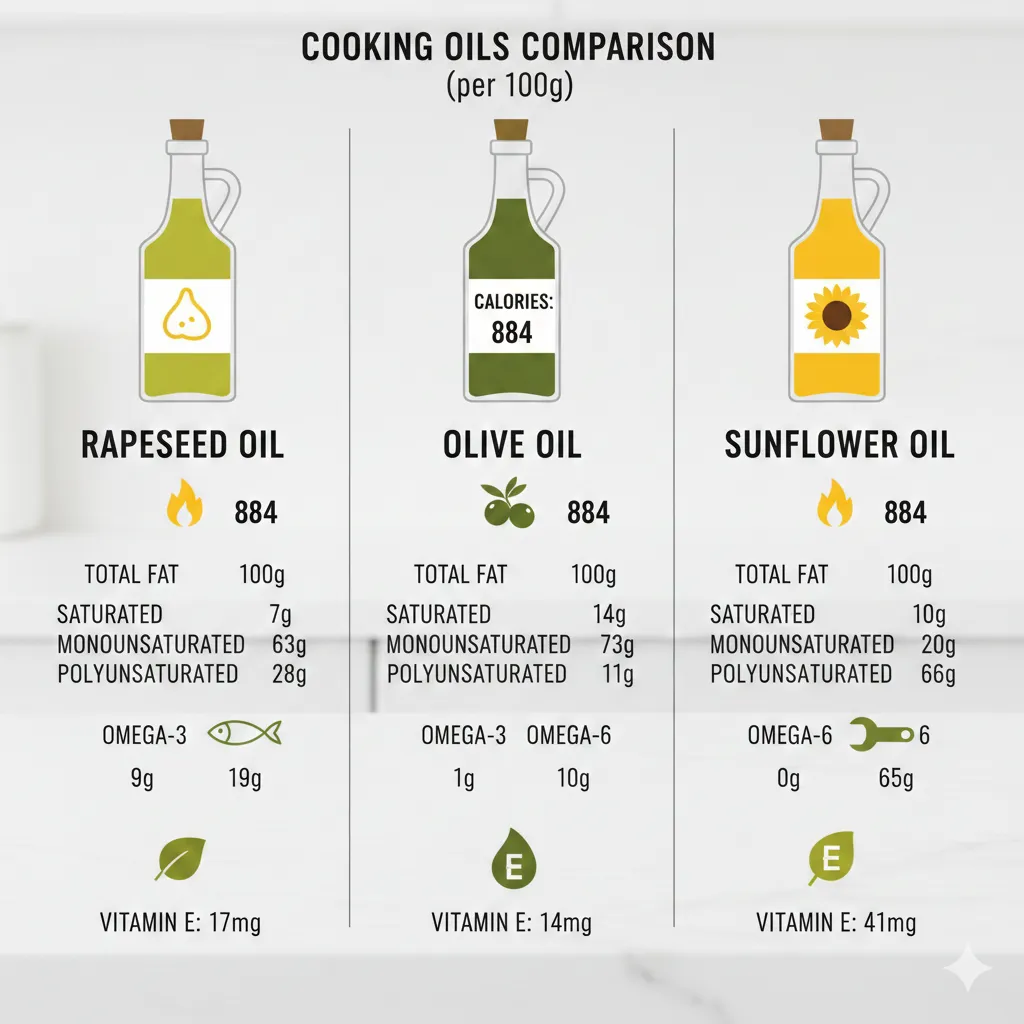
Understanding the nutritional content of rapeseed oil can help you integrate it effectively into your diet. Below is a comparison of rapeseed oil with some commonly used cooking oils:
| Nutrient / 100g | Rapeseed Oil | Olive Oil | Sunflower Oil |
|---|---|---|---|
| Calories | 884 kcal | 884 kcal | 884 kcal |
| Total Fat | 100 g | 100 g | 100 g |
| Saturated Fat | 7 g | 14 g | 10 g |
| Monounsaturated Fat | 63 g | 73 g | 20 g |
| Polyunsaturated Fat | 28 g | 11 g | 66 g |
| Omega-3 Fatty Acids | 9 g | 1 g | 0 g |
| Omega-6 Fatty Acids | 19 g | 10 g | 65 g |
| Vitamin E | 17 mg | 14 mg | 41 mg |
As the table shows, rapeseed oil has a favorable balance of monounsaturated and polyunsaturated fats. Its omega-3 content makes it a healthier option than many other vegetable oils.
Health Benefits of Rapeseed Oil
Rapeseed oil offers numerous health benefits, making it a popular choice in cooking and wellness routines.
1. Heart Health
Rapeseed oil is rich in unsaturated fats, which can help reduce bad cholesterol (LDL) and increase good cholesterol (HDL). Regular consumption may lower the risk of cardiovascular diseases.
2. Supports Brain Function
The omega-3 fatty acids in rapeseed oil play a vital role in brain health. These fatty acids support cognitive function and may help reduce the risk of neurodegenerative diseases.
3. Anti-Inflammatory Properties
Rapeseed oil contains antioxidants and polyphenols that combat inflammation in the body. This can be beneficial for conditions like arthritis and other inflammatory disorders.
4. Skin Health
The vitamin E content in rapeseed oil nourishes the skin, reducing dryness and improving elasticity. Some people even use it as a natural moisturizer.
5. Weight Management
Due to its high content of healthy fats, rapeseed oil can promote satiety and reduce overeating. Incorporating it into meals may help with weight management when used in moderation.
Culinary Uses of Rapeseed Oil
Rapeseed oil’s light flavor and high smoke point make it ideal for a variety of cooking methods.
1. Frying and Sautéing
With a smoke point of around 204°C (400°F), rapeseed oil is perfect for deep frying, pan-frying, and sautéing without producing harmful compounds.
2. Baking
Rapeseed oil can be used as a substitute for butter or other oils in baking, giving pastries a light texture without overpowering flavor.
3. Salad Dressings
Its mild taste makes rapeseed oil suitable for salad dressings, vinaigrettes, and marinades. Pairing it with lemon juice or vinegar enhances the flavor naturally.
4. Sauces and Dips
Rapeseed oil can be incorporated into homemade sauces, dips, and spreads for a smooth consistency and heart-healthy fat content.
Industrial and Non-Culinary Uses
Beyond the kitchen, rapeseed oil has multiple industrial applications:
- Biofuel Production: Rapeseed oil is a key raw material for biodiesel.
- Cosmetics: Its moisturizing properties make it a popular ingredient in soaps, lotions, and hair products.
- Lubricants: It can be used in machinery as an eco-friendly lubricant.
- Animal Feed: The by-products from oil extraction are often used as feed for livestock.
Types of Rapeseed Oil
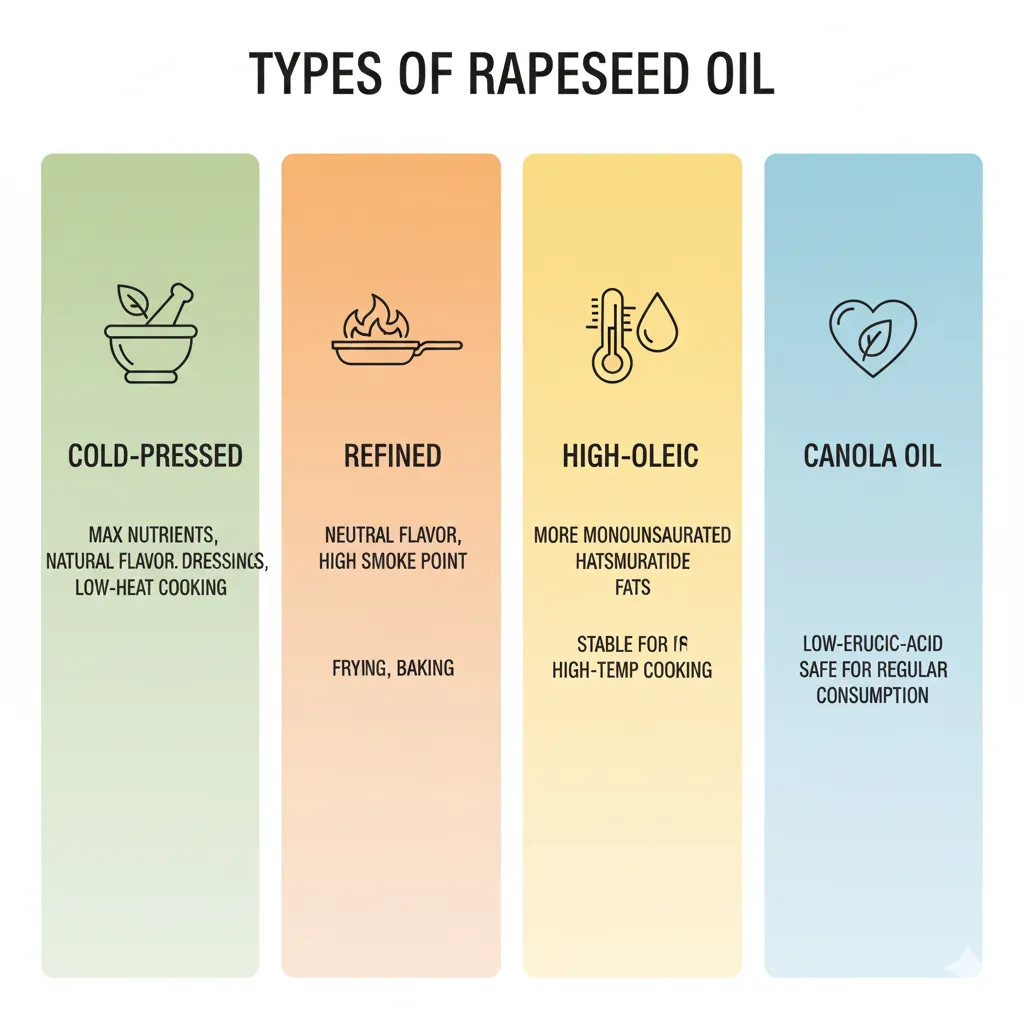
Rapeseed oil comes in several forms:
- Cold-Pressed Rapeseed Oil – Retains maximum nutrients and natural flavor. Ideal for salad dressings and low-heat cooking.
- Refined Rapeseed Oil – Neutral flavor and high smoke point; suitable for frying and baking.
- High-Oleic Rapeseed Oil – Modified to have more monounsaturated fats, making it more stable for cooking at high temperatures.
- Canola Oil – A low-erucic-acid variety of rapeseed oil, safe for regular consumption.
How to Choose and Store Rapeseed Oil
When buying rapeseed oil, consider the following:
- Check the Label: Look for “cold-pressed” or “extra-virgin” for maximum nutrients.
- Light and Dark Bottles: Dark glass bottles help preserve the oil by protecting it from sunlight.
- Storage: Store in a cool, dark place. Once opened, use within 6 months for the best quality.
- Smell Test: Fresh rapeseed oil should have a mild, nutty aroma. Rancid oil will smell sour or bitter.
Rapeseed Oil vs Other Common Cooking Oils
| Feature | Rapeseed Oil | Olive Oil | Sunflower Oil |
|---|---|---|---|
| Smoke Point | 204°C / 400°F | 190°C / 375°F | 225°C / 437°F |
| Omega-3 Content | High | Low | None |
| Cholesterol Friendly | Yes | Yes | Yes |
| Flavor | Mild, neutral | Fruity, strong | Neutral |
| Best Use | Frying, Baking | Dressings, Low-heat cooking | Frying, Baking |
Rapeseed oil stands out due to its high omega-3 content and neutral flavor, making it suitable for various cooking methods and health-focused diets.
Potential Side Effects and Precautions
Rapeseed oil is generally safe for most people, but there are a few points to consider:
- Moderation: Excessive consumption of any oil may lead to weight gain due to high calorie content.
- Allergies: Rare, but some individuals may be allergic to rapeseed oil.
- Refined vs Unrefined: Refined oils lose some nutrients during processing, so cold-pressed varieties are preferred for health benefits.
FAQs
1. What is the main use of rapeseed oil?
Rapeseed oil is primarily used for cooking, including frying, baking, and salad dressings. Its neutral flavor and high smoke point make it versatile in the kitchen.
2. Is rapeseed oil healthy for heart?
Yes. Rapeseed oil contains unsaturated fats and omega-3 fatty acids, which help reduce bad cholesterol (LDL) and promote heart health.
3. Can I use rapeseed oil on my skin?
Yes. Cold-pressed rapeseed oil can be used as a natural moisturizer due to its vitamin E content and hydrating properties.
4. How is rapeseed oil different from canola oil?
Canola oil is a low-erucic-acid variety of rapeseed oil, specially bred for safe human consumption. Nutritionally, they are similar, but canola is more widely used commercially.
Conclusion
Rapeseed oil is a nutritious, versatile, and heart-healthy oil suitable for a variety of culinary and non-culinary purposes. With its balanced fatty acid profile, high smoke point, and mild flavor, it is an excellent alternative to other cooking oils. Whether you are frying, baking, making salad dressings, or exploring natural skincare options, rapeseed oil offers a range of benefits. Choosing high-quality, cold-pressed rapeseed oil and using it in moderation can contribute significantly to a healthier lifestyle.